
About DexMat
From a Rice University lab to a production floor in Houston
DexMat makes Galvorn®, an advanced carbon material that gives engineers conductivity, strength and light weight in one material. This is the company behind it, the people who make it, and the reason we started.
Why we exist
The materials that built the modern world can’t build what’s next
Copper, aluminum and steel built the grid, the aircraft and the data center. They also set the terms. A strong conductor is heavy, a light one carries less, and a flexible one wears out. Engineers have designed inside those trade-offs for a century because there was no other material to design with.
Those limits matter more every year. Aircraft, satellites, data centers and the grid all want more conductor in less weight and less room, and copper, aluminum and steel are already as good as they will ever be. DexMat exists to give engineers a material designed for this century, and to make it in volume in the United States.

What we make
Galvorn is a conductor made of carbon instead of metal
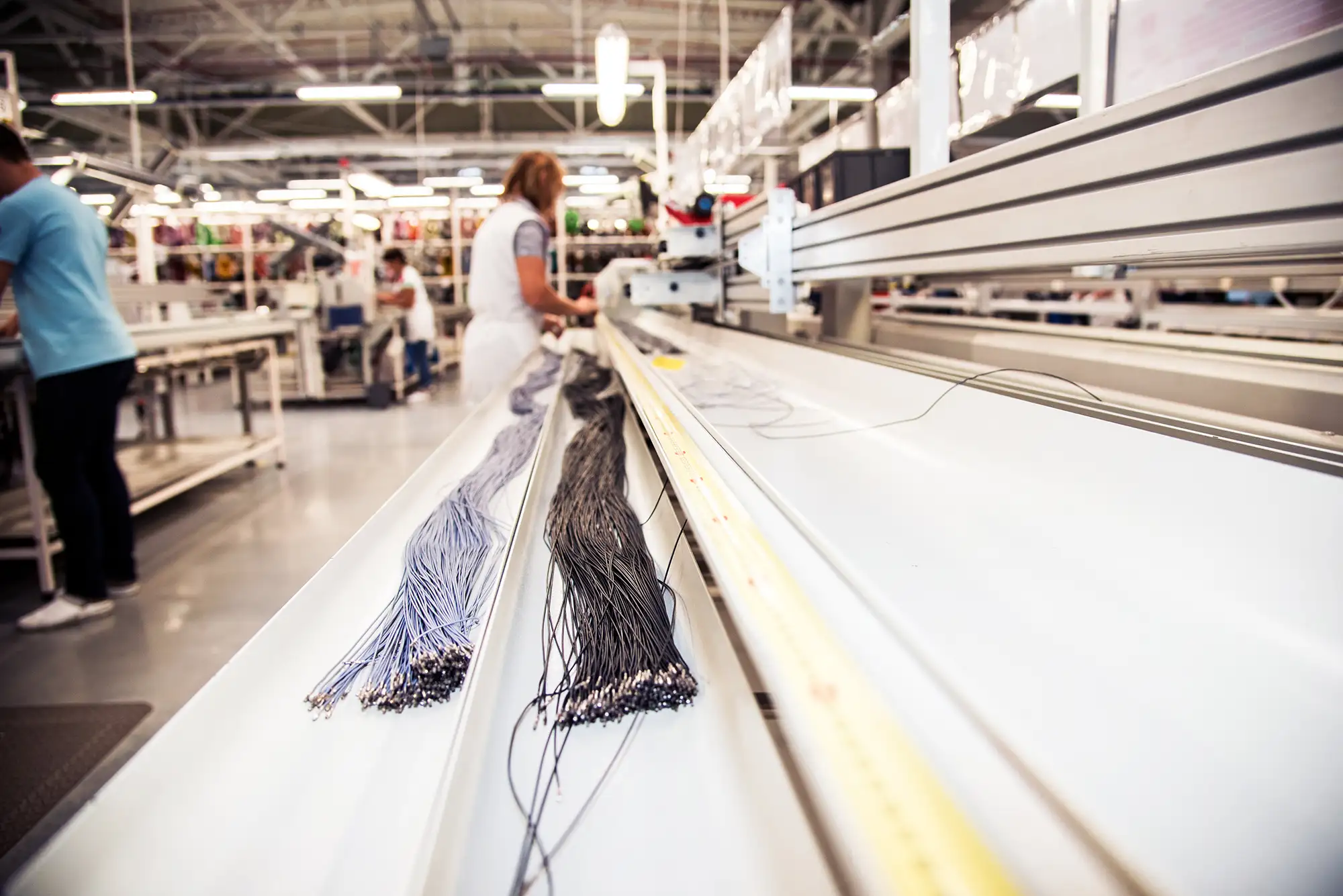
Galvorn® is an advanced carbon material. We spin it into continuous fiber and supply it as fiber tow, twisted yarn, braided yarn, fabric and film. Our customers build the wire, the cable, the shielding and the finished products. We make the material they build with.
Galvorn is produced at our ISO 9001-certified facility in Houston, Texas, and ships to customers in aerospace and defense, data centers, wire and cable, automotive and energy. For the properties and the data behind them, start with Why Galvorn. For how the fiber is made, read Making Galvorn.
Where Galvorn comes from
Twenty-five years of science and one scalable spinning process
Galvorn came out of two decades of work at Rice University, and the people who did that work are the people who founded DexMat.
1991
A new form of carbon
Sumio Iijima discovers carbon nanotubes: tubes of carbon a few atoms wide, with strength and conductivity far beyond any bulk material. For the next decade they stay in the lab, because nobody can turn a nanoscale tube into something you can hold.

2001
Smalley and Pasquali start spinning
At Rice, Rick Smalley, the 1996 Nobel laureate in chemistry, starts work on dissolving carbon nanotubes and spinning them into continuous fiber, the way industry already spins aramid and other high-performance fibers. Matteo Pasquali joins at the outset and leads the work after Smalley’s death in 2005.
2013
The fiber works
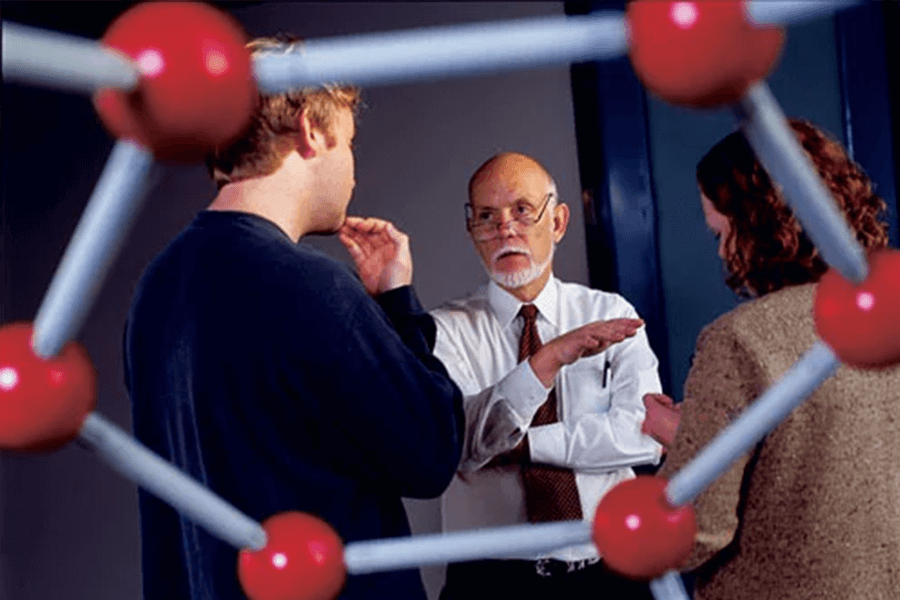
Pasquali’s team, including Dmitri Tsentalovich and Colin Young, produces a carbon nanotube fiber that handles like a textile and conducts like a metal wire. The work is done with Teijin Aramid, the U.S. Air Force and the Technion.

2015
DexMat is founded
The scientists who made the fiber work incorporate DexMat to take the spinning process out of the lab and make Galvorn available to the industries that need it.

2023
Time to scale
With the fiber proven and a process ready to grow, the company brings in Bryan Guido Hassin, a climate technology entrepreneur who joined DexMat’s board in 2022 and took the CEO role that October, completing the founding team. 2023 brings DexMat’s first venture round, led by Shell Ventures, exclusive licenses to two Rice University patents, and a twenty-fold increase in production capacity alongside a 96% cut in cost.

2025
Customers arrive
Galvorn produced and sold grows 2.5x. DexMat signs its first multi-year offtake agreement and is voted Trellis Climate Tech Startup of the Year.

2026
Into the manufacturer channel
A seed round of more than $5 million led by non sibi ventures, a first joint development agreement with a Tier 1 global wire and cable manufacturer, and selection by the World Economic Forum as an UpLink Powering Tomorrow challenge winner for a transmission conductor developed with Prysmian.
We’re just getting started.

What we’re here to do
The next industrial age needs a new material
Every industrial age has run on a material. Iron and steel built the first one, and copper wired the second. We think the next one needs a material that is simultaneously strong, light and conductive, can be produced from abundant domestic natural gas at scale, and that takes less energy to produce than mining and smelting metal.
That is what we are here to do: make that material real, make it affordable, and put it in the hands of the people building what comes next. We will know it is working when things that used to be made of metal are made of Galvorn, and are better for it.
FAQ
Galvorn is made at DexMat’s ISO 9001-certified facility in Houston, Texas, and ships from there to customers worldwide.
See what the team is building
Whether you are an engineer with a design that copper can’t carry, a manufacturer looking at a new material, or someone who wants to work on it, the next step is a conversation.
